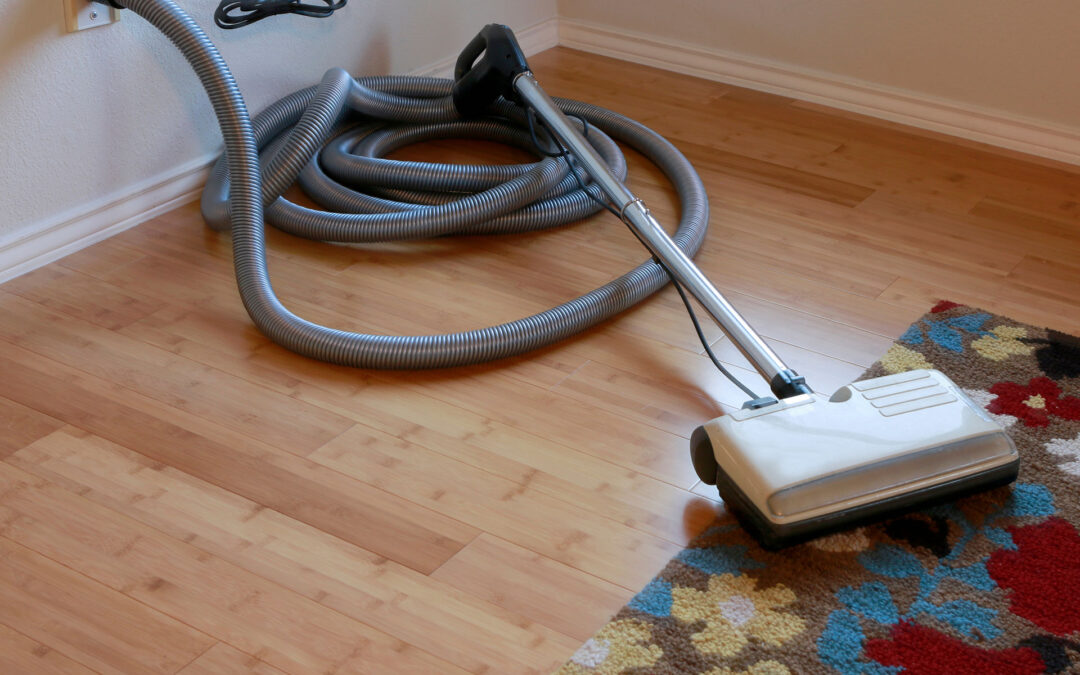
Homeowners love central vacuum systems. They’re convenient, efficient, and built to last. Unfortunately, there comes a time when, just like any other appliance, central vacuum systems need replacement.
Here are five signs that it’s time to replace your central vacuum system
1. It’s Past Its Estimated Lifespan
Even if your central vacuum system seems to be working fine, you might consider pre-emptively replacing it if it’s older than its estimated lifespan. Generally, bagged central vacuum systems are expected to last at least twenty years with proper maintenance, so you’re less likely to run into this scenario, but it’s worth keeping in mind.
If you have an older central vacuum system that hasn’t reached its expected lifespan yet, you could choose to upgrade to a newer model with more features and better technology.
2. Weak Suction
If your vacuum isn’t picking up dust—or, worse, is blowing dust back out—its motor could be failing. This can also be a symptom of a clogged filter, cracked hose, or damaged valves, but if those are ruled out after a professional inspection, you may need to replace your system.
Another symptom of failing suction is poor air quality. If you notice your dust or pollen allergies flaring, but can’t identify an environmental cause, your vacuum might not be cleaning as thoroughly as it used to.
3. Unusual Noises
Grinding, rattling, whirring, and whistling are all signs that your vacuum may be reaching the end of its life. Depending on the sound, this can indicate motor wear, loose parts, damaged parts, or clogs.
While some noises can be resolved with a repair or a cleaning, if you have a major system failure or multiple systems need attention, replacement may be the best option.
4. Using More Energy
Outdated or failing central vacuum systems may use more energy than expected. If you notice an unexpected increase in your energy bills, or if your vacuum frequently overheats, it’s likely losing energy efficiency.
As systems age, the motor has to work harder to compensate for the vacuum’s decreased performance. Regular maintenance can help maintain energy efficiency, but sometimes the vacuum just needs to be replaced.
5. Frequent Maintenance
If you have to clean and replace components more often than expected, it may be more cost-effective to replace your central vacuum system. These symptoms suggest that your vacuum may be on the way out anyway, so the smart financial decision might be to replace it sooner and avoid continuing maintenance costs.
Is Your Central Vacuum Working Well?
If your vacuum is showing any of these symptoms, we highly recommend calling a professional vacuum technician. An expert will examine your system and recommend either repair or replacement. Either way, they’re happy to help.
Don’t hesitate to address your vacuum problem before it becomes a vacuum catastrophe. Contact Certified Vacuum today for expert knowledge and dedicated customer service.