A central vacuum system makes cleaning easier, quieter, and more convenient. But when it keeps shutting off mid-use, that convenience disappears fast.
In most cases, a central vacuum that shuts off unexpectedly is overheating. When airflow is restricted or a component is failing, the motor can overheat. To protect itself, the unit’s thermal protector trips, shutting the system down until it cools off.
The good news is that this problem often starts with something simple, like a clogged hose, a full bag, or a dirty filter. In other cases, the issue may be electrical or motor-related and require professional repair.
If your central vacuum keeps turning off, here’s what may be causing it and what you should do next.
The Most Common Reason: Overheating
Overheating is the number one cause of a central vacuum shutting off during use.
Your system depends on proper airflow to keep the motor cool. When that airflow is blocked, heat builds up inside the power unit. Once the motor reaches an unsafe temperature, the thermal protector automatically shuts the vacuum off.
Common causes of overheating include:
- A full dirt canister or bag
- A dirty or clogged filter
- A blockage in the hose
- A clog in the piping behind the walls
- An obstruction near the power unit intake or exhaust
If the vacuum runs again after sitting for a while, overheating is one of the first things to suspect.
Check for Restricted Airflow First
Before assuming the motor has failed, start with the basics.
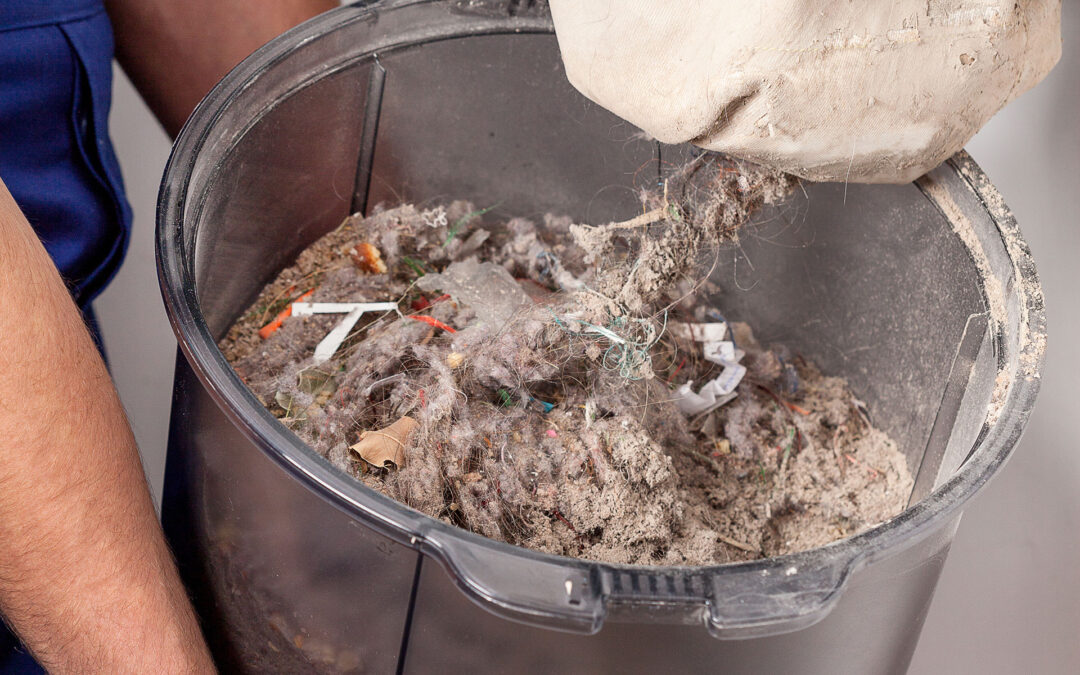
- Empty the dirt canister or replace the bag: If the canister is packed or the bag is full, suction drops, and the motor has to work harder than it should.
- Inspect or replace the filter: A dirty filter can choke off airflow and trap heat inside the unit. If your filter is washable, clean it according to the manufacturer’s instructions. If not, replace it.
- Look for a clogged hose: Check the hose for blockages from debris, hair, socks, paper, or other materials. Even a partial clog can affect airflow enough to trigger a shutdown.
- Consider a clog in the tubing system: If the hose is clear but suction is still weak, the clog may be deeper in the piping. This is especially common if the system has been losing performance over time.
Faulty Low-Voltage Connections Can Also Cause Shutoffs
Not every shutdown is caused by overheating.
Central vacuum systems rely on low-voltage wiring to communicate between the hose handle, wall inlets, and the power unit. If that connection becomes loose, damaged, or corroded, the system may cut in and out or shut off unexpectedly.
Signs of a low-voltage issue:
- The vacuum starts and stops randomly
- One wall inlet works, but another does not
- The hose switch feels inconsistent
- The power unit runs with the manual switch, but not normally through the hose
In some cases, the issue may be a worn inlet contact, a bad hose switch, damaged wiring, or a relay problem inside the unit.
Electrical Problems May Be to Blame
A central vacuum can also shut off because of an electrical fault.
This may include:
- A tripped breaker or blown fuse
- Loose wiring connections
- A failing relay
- A damaged circuit board
- A failing reset switch
- Power supply issues at the unit
If your central vacuum loses power completely, will not restart, or behaves unpredictably, the safest next step is to have it professionally inspected.
Worn Motor Brushes or a Failing Motor
If your central vacuum is older, worn motor brushes may be the cause.
Motor brushes wear down over time. As they do, the motor may run inconsistently, lose power, overheat, or shut off before cleaning is complete. In other cases, the motor itself may be reaching the end of its life.
Warning signs of motor wear:
- A burning smell
- Unusual noises
- Reduced suction
- Frequent overheating
- The unit only runs for a few minutes before shutting down
A failing motor usually does not get better on its own. Catching the problem early may help prevent more expensive damage.
Don’t Overlook a Loose Dirt Canister
Sometimes the problem is surprisingly simple.
If the dirt canister is not attached securely, the vacuum may lose its seal. That can reduce suction, affect airflow, and contribute to overheating. The same goes for loose gaskets, poor seals, or components that are not seated correctly after maintenance.
Before moving on to bigger repairs, make sure everything is properly assembled and latched.
What You Can Try Before Calling for Repair
If your central vacuum keeps shutting off, here are a few practical steps you can take:
Start with these checks:
- Empty the canister or replace the bag
- Clean or replace the filter
- Inspect the hose for clogs
- Test different wall inlets
- Try the manual switch on the power unit
- Check that the canister is attached securely
- Let the unit cool down completely before restarting
If the system keeps shutting off after these steps, the problem is likely deeper than routine maintenance.
When to Call for Central Vacuum Repair
A central vacuum that shuts off once may be a minor issue. A central vacuum that shuts off again and again is telling you something is wrong.
Professional repair is the smart choice when:
- The vacuum repeatedly overheats
- Suction stays weak after cleaning the filter and hose
- The unit starts and stops on its own
- You suspect a clog in the built-in tubing
- The motor smells hot or sounds unusual
- The system will not restart reliably
Ignoring the issue can lead to more wear on the motor and more expensive repairs later.
Regular Maintenance Helps Prevent Shutdown Problems
Routine maintenance is the best way to stay ahead of unexpected shutdowns.
Keeping filters clean, bags emptied, hoses clear, and connections in good condition helps your system run cooler and last longer. It also gives you a chance to catch early warning signs before they turn into a breakdown.
If your central vacuum has not been serviced in a while, a professional inspection can save time, frustration, and avoidable repair costs.
Need Central Vacuum Repair? Contact Certified Vacuum
If your central vacuum keeps shutting off, don’t keep guessing. Whether the issue is overheating, a clog, faulty wiring, or motor wear, getting the right diagnosis is the fastest way to get your system working again.
Certified Vacuum is a family-owned business in Shrewsbury, Massachusetts, and offers central vacuum repair, service, and installation. We repair all makes and models and provide estimates on vacuum repairs. You can call (508) 795-1100 or email jay@certifiedvacuum.com to schedule service.